Modder River Bridge shootout and the death of Little Joe Moroka
Heart of the HunterThe Modder River Bridge shootout and the death of Little Joe Moroka turn abruptly from a rare moment of shared amusement into a violent encounter with consequences for both men. The sequence leaves Moroka dead, Thobela Mpayipheli wounded and fleeing, and the people around them confronting the consequences of the gunfire.
From Celebration to Confrontation
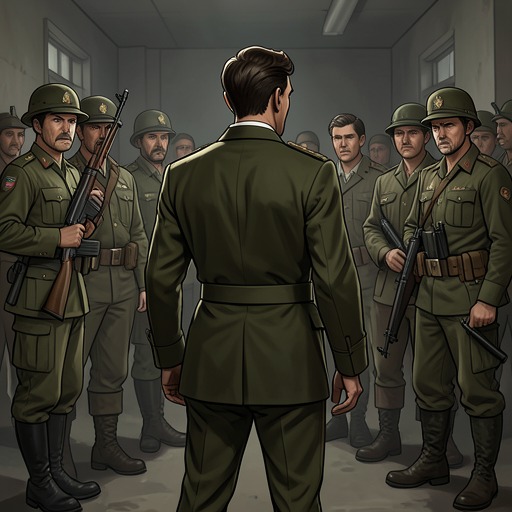
The encounter begins in the wake of singing that has brought the group together. A teasing remark prompts the pilots to sing, and the ensuing response is enough to draw Little Joe Moroka out of the ring of men. The scene’s brief communal warmth matters because it provides the immediate setting for what follows: Moroka walks away from the group to prolong the pleasure of the moment, while Thobela Mpayipheli and the motorcycle remain nearby. At the river, Moroka notices the motorcycle only after looking away and back again. By the time he recognizes it and reaches for his weapon, Mpayipheli is already moving toward him.
The First Exchange and Thobela’s Restraint
Moroka’s weapon discharges as he falls, and two of its rounds strike Mpayipheli in the hip. Mpayipheli follows him down the bank, takes control of the Heckler & Koch UMP, and holds Moroka at gunpoint as the others approach. Though wounded and under pressure, he tells Moroka that he does not want to kill him. The struggle is therefore not simply an exchange of fire: Mpayipheli initially tries to stop the confrontation without killing the man who has just shot him.
That effort ends when Moroka breaks free and reaches for the weapons on the ground. As Moroka turns a machine pistol toward him, Mpayipheli fires, then takes the weapon from him and throws his own down. He orders the others to get Moroka to a hospital and have the motorcycle loaded into the helicopter. The command shifts the scene from combat to urgent rescue: despite the fatal outcome, Mpayipheli’s immediate concern is that Moroka receive medical help.
Flight and Confirmation
After ordering the group to get Moroka to hospital, Mpayipheli has a pressure bandage applied and makes his way toward the Oryx. His steps are unsteady, and the pain in his hip is worsening; he nevertheless tells the pilots that they must leave. The urgency is not only a matter of escaping the scene. Mpayipheli understands that he is running out of time, while the wounded Moroka needs medical care, and he entrusts the immediate response to the men around him.
Once airborne, Mpayipheli points out Botswana on the map and presses the co-pilot to give the coordinates. When the pilot says he cannot cross the border, Mpayipheli argues that they can fly low enough to avoid radar detection. The exchange carries the confrontation beyond the bridge: injured and still pursued, he turns the helicopter into a means of crossing into Botswana, while the pilots must decide whether to follow his direction.
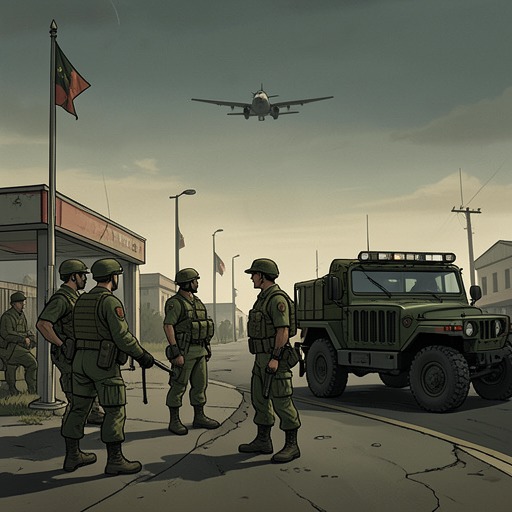
The death confirmation arrives through the radio. In a second Oryx beside the R64, Captain Tiger Mazibuko hears the emergency signal and believes the search has located Mpayipheli; later, Da Costa reports that Moroka is dead. The confirmation closes the immediate uncertainty left by the shooting, and the radio falls silent. Moroka’s death is the lasting consequence of an encounter that began in fellowship, while Mpayipheli escapes the bridge wounded and continues his flight.
A Reversal Without a Victory
The episode’s defining contrast is not simply between music and gunfire, but between two kinds of choice under pressure. At first, Mpayipheli tries to keep Moroka alive, even while wounded and holding him at gunpoint; when Moroka reaches for another weapon, Mpayipheli fires to survive. He then gives up his own weapon and directs the others to get Moroka to hospital. These actions resist a clean victor-and-defeated reading: Mpayipheli escapes, but the encounter ends in a death he had initially tried to prevent.
The exchange also turns the group’s shared moment into a fracture. The singing draws Moroka away from the men, and the scene’s temporary fellowship gives way to confusion and urgent decisions. The later report that Moroka has died settles the immediate question of his fate, but not the moral tension of what happened: Mpayipheli’s restraint and his need to survive remain bound together, while his flight continues at the cost of another life.